Honed or Polished Marble: What Should Buyers Specify?
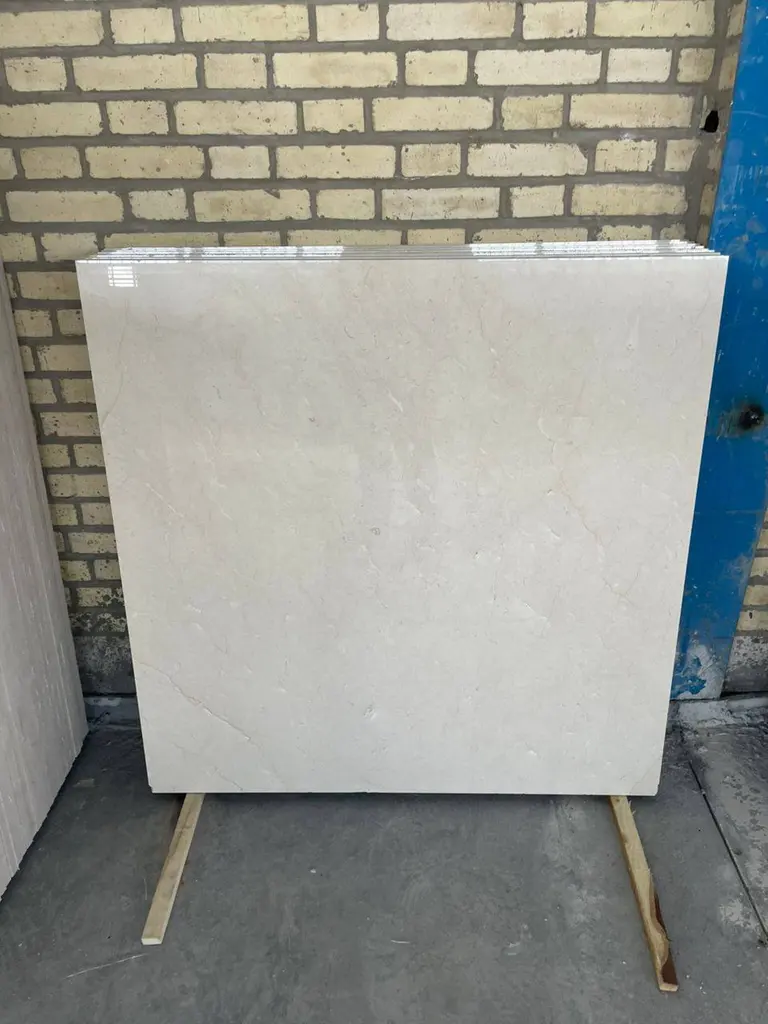
Specify marble finish with a practical buyer checklist: appearance, intended use, faces and edges, treatments, performance evidence and care requirements.
Honed and polished describe a surface finish, not a universal quality grade or approval for every application. Specify the appearance you want, where the stone will be used and what evidence the project needs. A finish name alone is not a numerical gloss specification.
What changes in appearance?
Honed marble has a smooth, matte or low-gloss face; polished marble has a reflective face. [1] Ask for a physical finish reference on the proposed stone and examine it under the intended lighting. Identify that reference in the specification rather than relying on a screen image or the word “matte” alone.
For the separate question of how a small sample relates to a full slab or proposed lot, use our sample-to-slab approval guide. This article focuses on specifying the finish.
Appearance is not performance evidence
Calcareous stone is acid-sensitive, and sealing does not make it stainproof. [2] Etching may be more visible on polished marble; lower visibility is not prevention. [3]
First state whether the stone is for a wall, floor, stair or worktop, and whether conditions are wet or dry. For floors and stairs, do not accept “honed” as a non-slip rating. Stone composition, finish and conditions matter. [4] Ask the responsible project professional which evidence is appropriate for the specified stone and finish in that use.
Keep the appearance decision, suitability assessment and care plan as separate items in the purchase discussion. Ask which treatments are proposed and request their documentation. Agree care requirements for the actual stone, finish and treatment; do not turn a general care article into a fixed sealing interval.
A finish checklist for the purchase request
Use this editorial checklist to turn “honed or polished?” into an answerable supplier request. Record unresolved items as questions, not agreed specifications.
Stone and use: identify the material and whether it is for a wall, floor, stair or worktop; describe wet or dry conditions.
Finish reference: name the finish and identify the physical reference to review under the intended lighting. Agree how the specified appearance will be checked.
Faces and edges: state which faces are exposed and how visible edges should be finished. Do not assume the face finish also specifies an edge profile.
Form and dimensions: identify slabs, tiles or cut-to-size pieces; confirm dimensions, thickness and units with the supplier.
Treatments: ask what resin, filler or sealer, if any, is proposed and which documentation accompanies it.
Performance evidence: ask the project professional what stone-and-finish evidence is needed and which use conditions it must represent.
Care and suitability: obtain the relevant care instructions and confirmation of suitability through the responsible project professional.
Changes: if the material or finish changes, revisit the reference, evidence and care requirements before accepting the substitution.
Discuss the finish on a named material
Shayan Beige Marble offers a beige reference; Azna Crystal Marble provides a white crystalline-marble alternative for the material discussion. MAHED’s catalogue lists honed and polished finishes for both, with availability on request. These entries do not confirm a particular finish, quantity or suitability for your project.
Open the relevant product page below and use its existing contact or WhatsApp route to send your application, preferred finish, dimensions, quantity and destination. Include the questions still open in the checklist so the discussion concerns your actual requirement.
Questions buyers ask
Is honed marble non-slip?
The finish name is not a safety rating. Ask for relevant evidence for the specified stone, finish and conditions, and have the responsible project professional assess it. [4]
Does sealing prevent etching?
Do not assume an impregnating sealer protects against acid etching. Confirm what the proposed treatment does and does not cover. [3]
Does polished mean better quality?
No. Specify the required appearance and acceptance criteria rather than ranking quality by shine. The suitable choice depends on the project requirements and supporting evidence.
Sources and scope
The checklist is editorial procurement guidance, not a test report or project specification. The photograph is an existing owned gallery image. Sources were checked on 24 October 2026; the research abstract below is not a certification of MAHED products.
[1] Castelli Marble — finish descriptions (appearance only)
[2] Natural Stone Institute — care and cleaning
[3] Use Natural Stone — marble countertop care
[4] Politecnico di Torino — flooring slipperiness research abstract
Explore the stone discussed in this guide
Open a product page to review its gallery and specifications, then use its WhatsApp contact options to discuss your requirements.
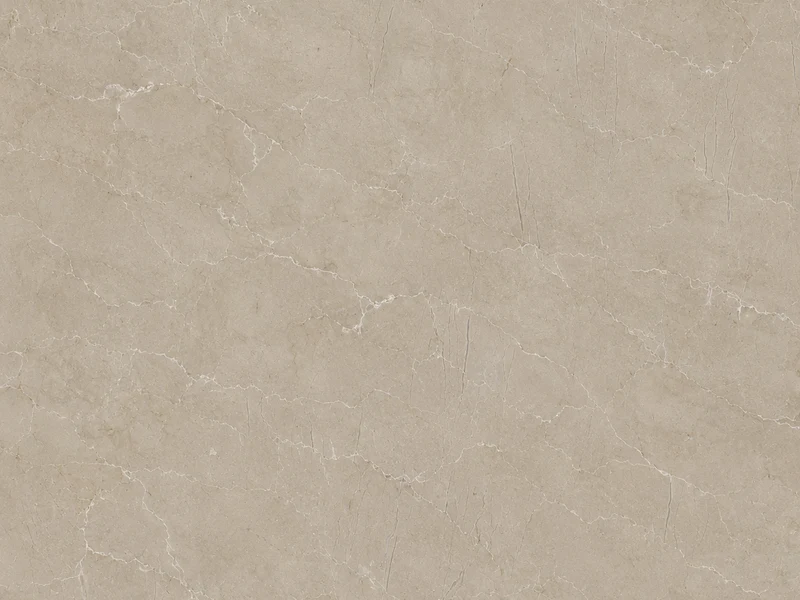 Shayan Beige MarbleView product and inquiry options →
 Azna Crystal MarbleView product and inquiry options →